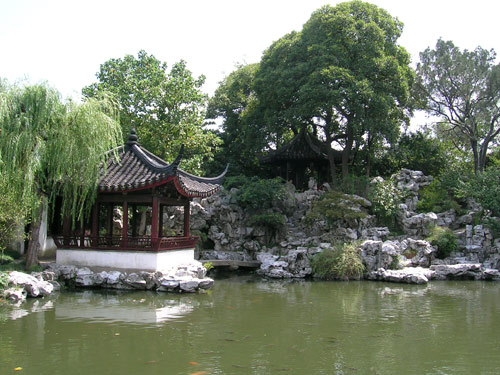
The Garden of Cultivation
Introduction
The Garden of Cultivation, also known as Yipu Garden, exemplifies the profound artistry and philosophy of classical Chinese garden design. Located in Suzhou, Jiangsu province, it represents the pinnacle of landscape gardening, where natural and architectural elements are harmoniously blended to create a serene environment that reflects the traditional Chinese ideal of harmony between man and nature. This garden, along with other classical gardens in Suzhou, was recognized as a UNESCO World Cultural Heritage Site in 1997, underscoring its significance and historical value.
History
The origins of Suzhou's classical gardens can be traced back to the 6th century BC. The practice of creating private gardens began during the Wu Kingdom era and reached its zenith during the Ming and Qing dynasties (1368-1911).The Garden of Cultivation, renowned for its simplicity and expansive views, is a testament to the enduring legacy of these private retreats. Many original features have been preserved, giving the garden a unique historical and artistic value. It occupies a 0.33-hectare site, with its main structures, like the Buoya Hall and Ruyou Pavilion, dating back to the Ming Dynasty (1368-1644). These elements highlight the garden's historical importance and the meticulous craftsmanship of past eras.
Architecture
Architecturally, the Garden of Cultivation is designed around a central pond, with stone bridges that enhance its tranquil ambiance. The garden's layout reflects the classical "Mountain and Water" garden style, integrating artificial hills, water features, and pavilions. The Buoya Hall serves as the main building, while the Ruyou Pavilion and Qinlu Courtyard provide additional points of interest. The garden's architecture is noted for its natural appearance, with features like rock terraces and precipitous paths adding to its charm. This design approach creates a space that feels both expansive and intimate, a hallmark of Suzhou's classical garden style.
Cultural Significance
The Garden of Cultivation, like other classical Suzhou gardens, is steeped in cultural significance. It embodies the philosophical and aesthetic values of traditional Chinese culture, such as the pursuit of harmony and the reflection of nature's beauty in art. The garden's design incorporates elements that resonate with the Chinese literati's ideals, including the symbolic use of plants like plum blossoms, orchids, bamboo, and chrysanthemums. These elements represent noble virtues and are integral to the garden's cultural narrative. Moreover, the garden plays a role in the broader context of Suzhou's cultural heritage, which has influenced not only Chinese but also Japanese and Korean garden designs.
Conservation and Preservation
Conservation efforts for the Garden of Cultivation are part of a broader initiative to preserve Suzhou's classical gardens. These efforts involve maintaining the garden's structures, rockeries, and plant life, which are vulnerable to damage over time. The city of Suzhou has established a comprehensive protection framework, including the Suzhou World Cultural Heritage Classical Gardens Protection and Supervision Center. This center oversees the preservation of the gardens, ensuring their historical integrity is maintained for future generations. The garden's preservation is not only a testament to traditional craftsmanship but also a reflection of modern conservation techniques.
Tourism and Accessibility
Today, the Garden of Cultivation is a popular destination for tourists seeking to experience the tranquil beauty of classical Chinese gardens. It provides visitors with an opportunity to connect with China's rich cultural heritage and to explore the intricate designs that characterize Suzhou's gardens. The garden is accessible to the public, with pathways and signage that guide visitors through its historic and scenic areas. Efforts to enhance accessibility while preserving the garden's integrity have been a priority, ensuring that it remains a welcoming space for both domestic and international visitors.
Related Literature and Media
The Garden of Cultivation, along with other Suzhou gardens, has been featured in various forms of literature and media. Historical poems, paintings, and writings celebrate its beauty and philosophical significance. These works contribute to the garden's enduring narrative, capturing its essence and the cultural values it embodies. In modern times, the garden continues to inspire creative expression, with photography exhibitions and digital media exploring its unique aesthetic. Such representations help to promote the garden's cultural and artistic legacy to a global audience, ensuring its place in the broader narrative of Chinese cultural heritage.








